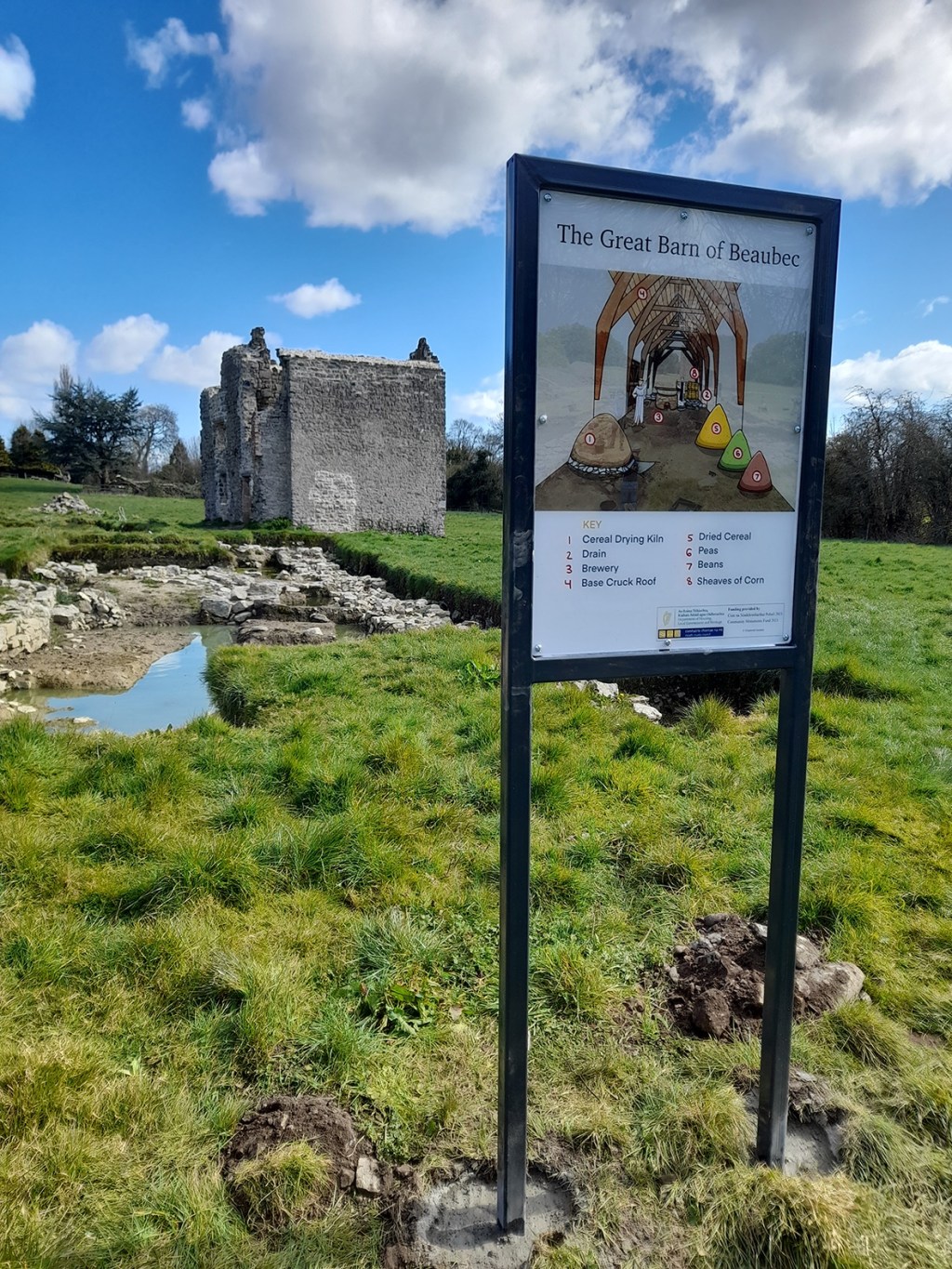
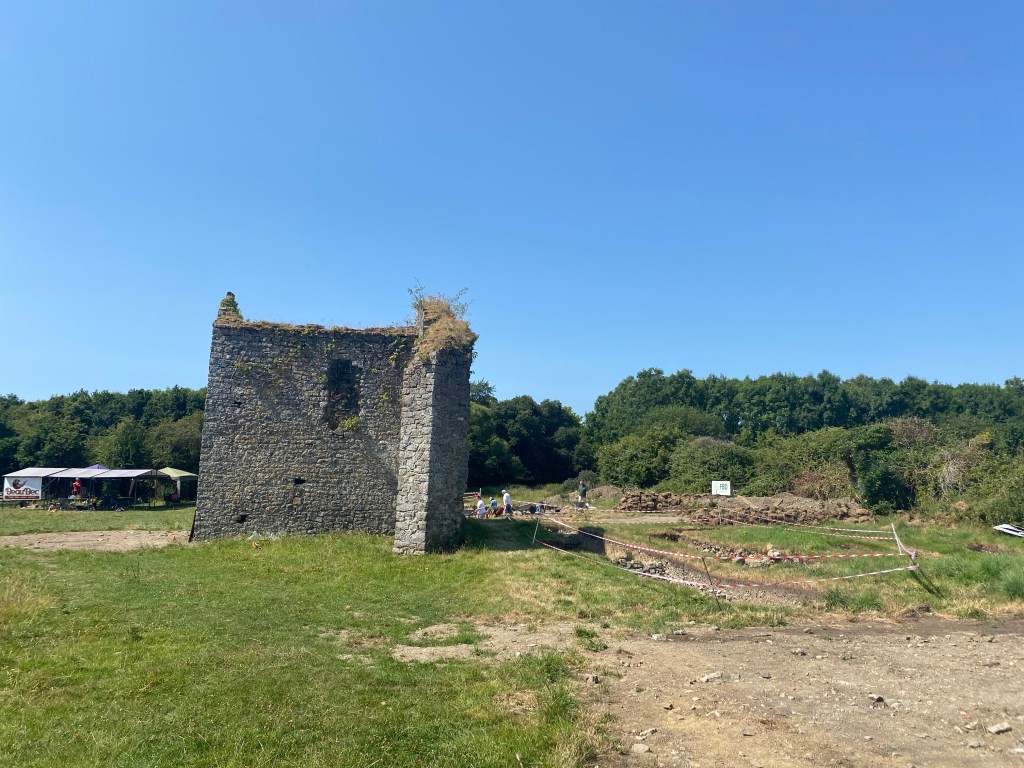
One hour north of Dublin, outside a city called Drogheda, I had the opportunity to live out my dream life: archeological illustrator.
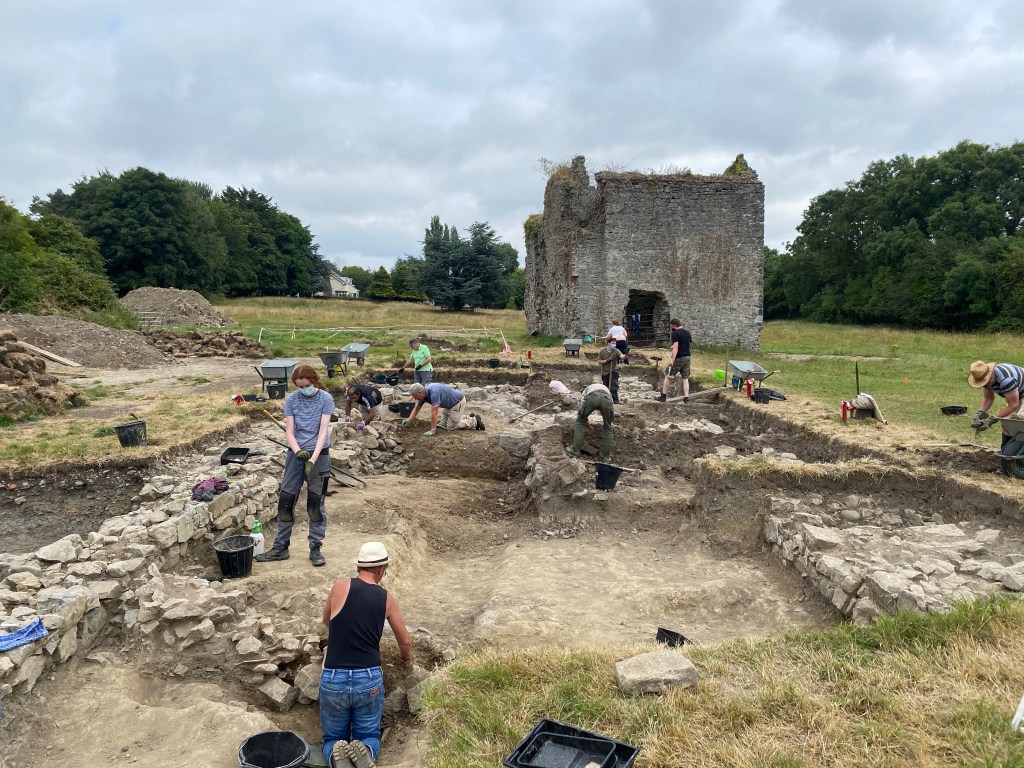
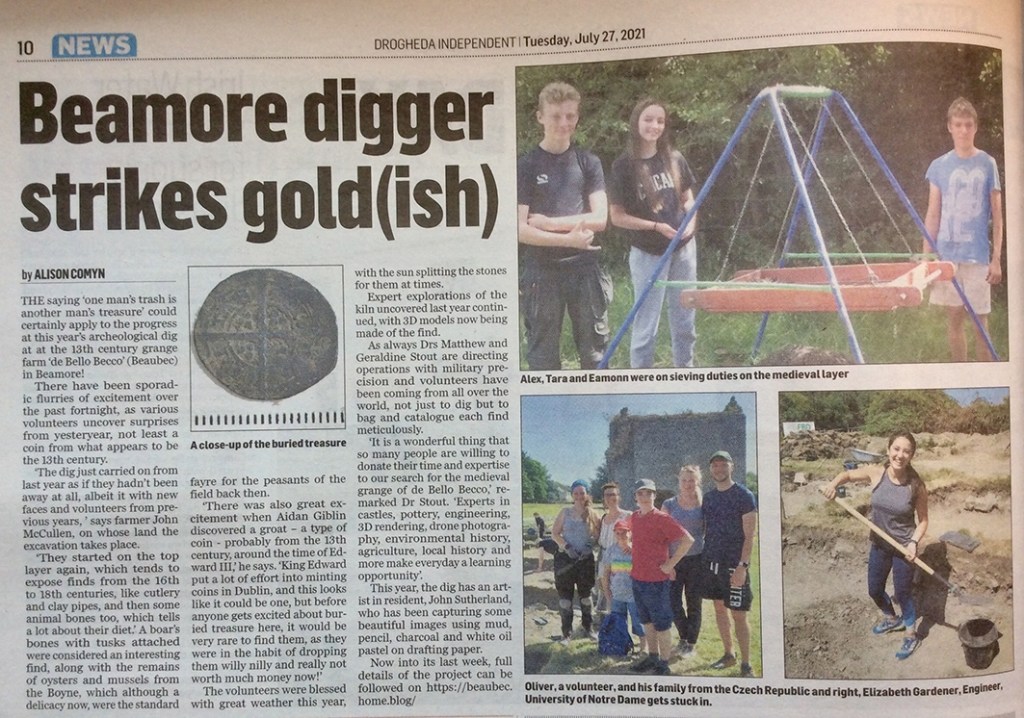
The site, called Beabec, is a 13th century grange built by Cistercian monks from France. A grange is a satellite farm owned and operated by a main abbey, where profits and surplus foods are sent back to. This one, located near the Boyne River, consisted of a barn and a dormitory with an accompanying moat and outhouse.
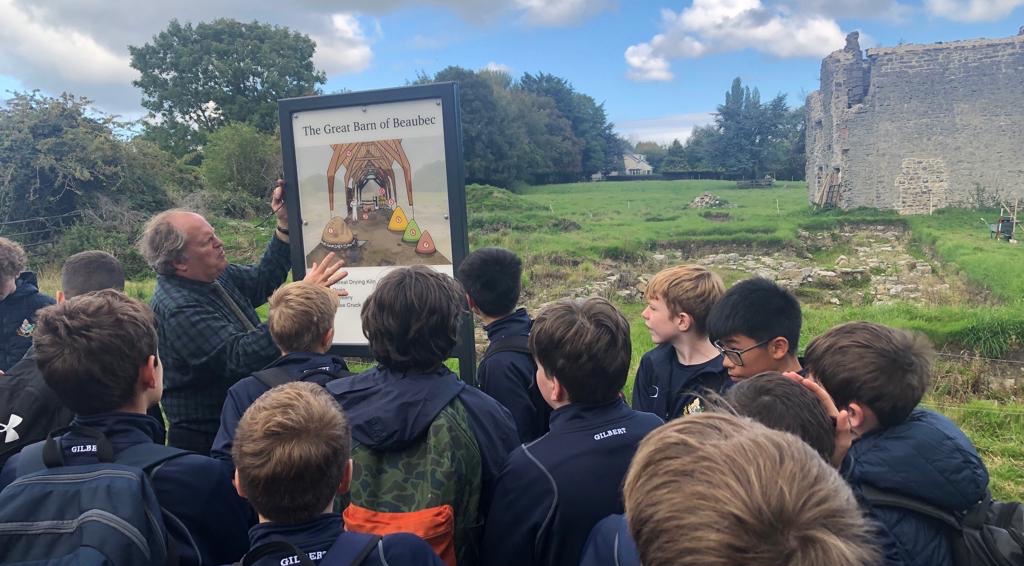
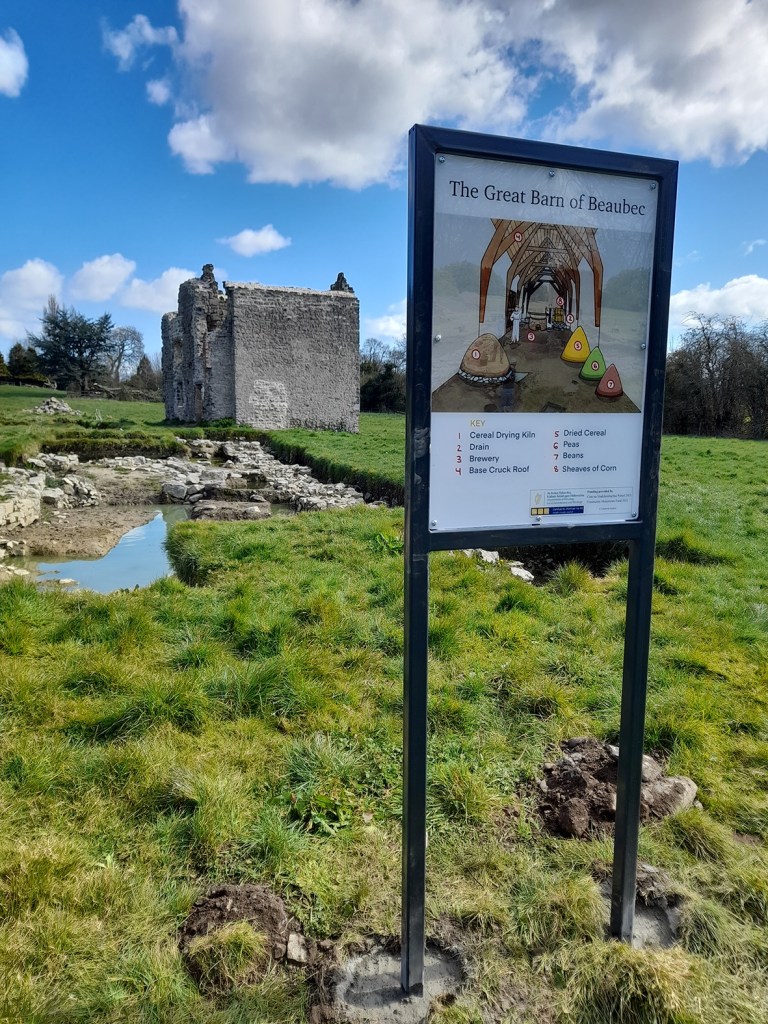
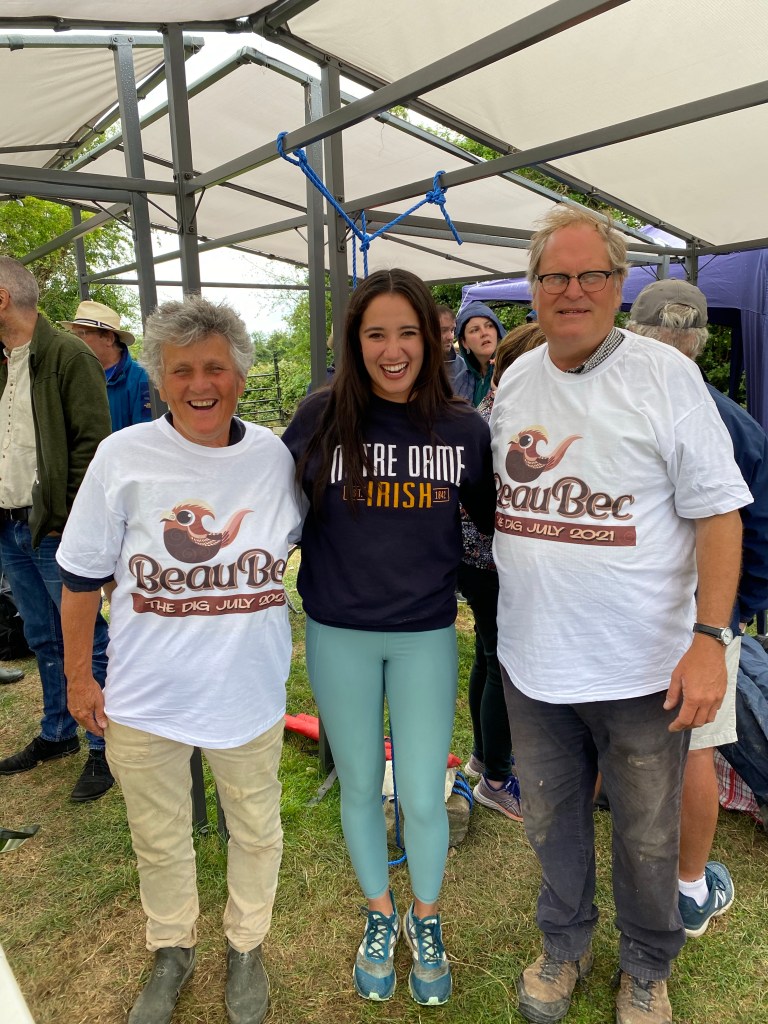
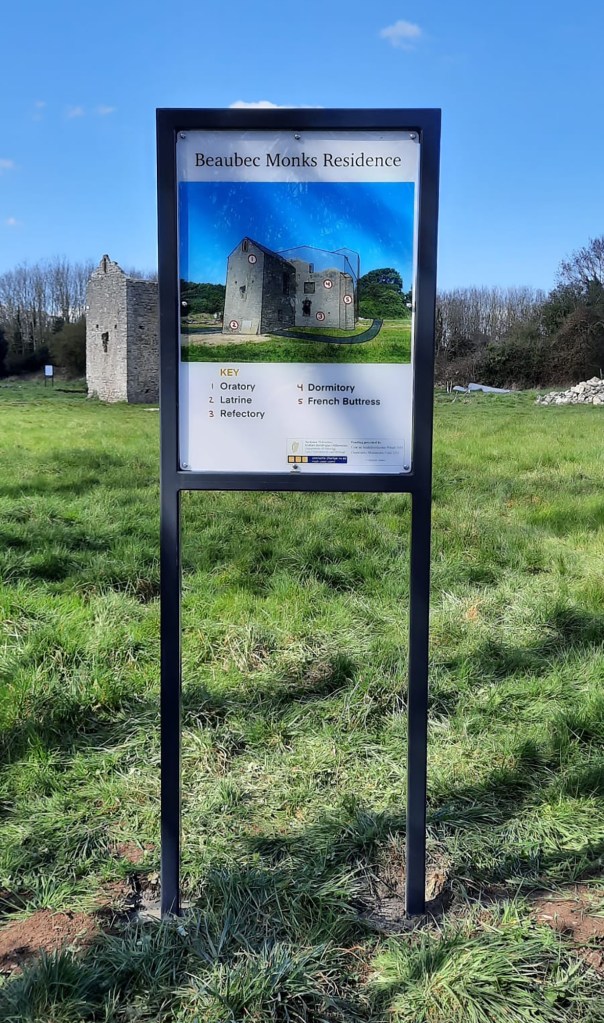
I was fortunate enough to join Geraldine and Matthew Stout for their third and final season of excavation at this location. The focus for Summer 2021 was the barn, or as Geraldine called it, The Great Barn of Beaubec. Now, my illustrations of the site are immortalized in the form of informational plaques.
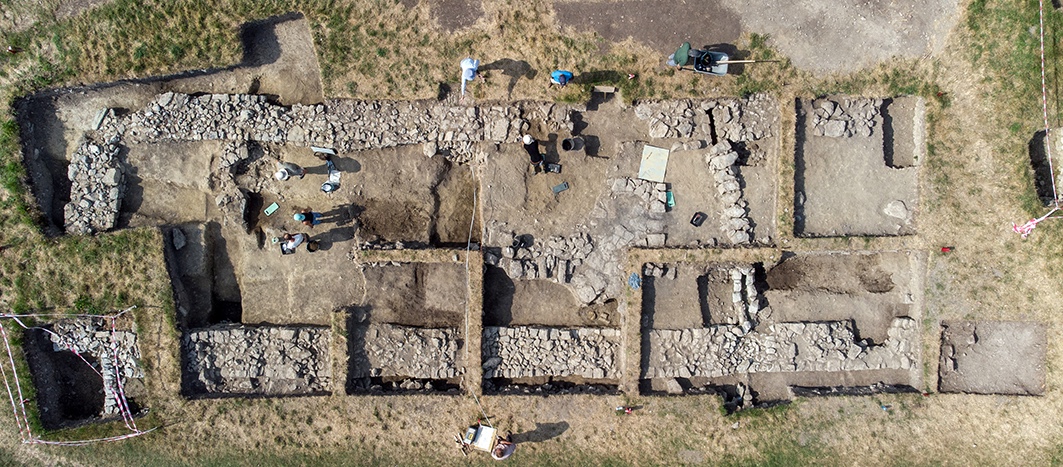
On the Dig
I met Geraldine and Matthew through my Irish history professor during my fall semester abroad in Dublin, and I couldn’t have been more grateful for the opportunity they granted me to return!
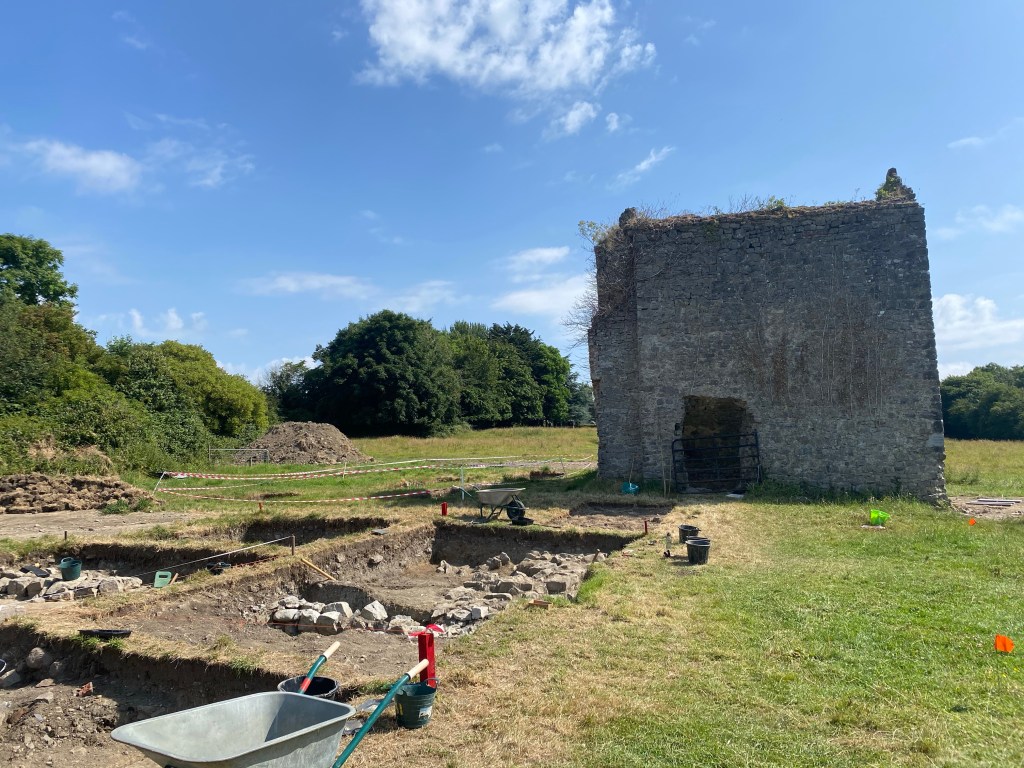
When I arrived, I was looking forward to grabbing a trowel and literally getting my hands dirty. However, Geraldine and Matthew were excited about my engineering background and asked for my ‘expert’ opinion on the structure of the barn and the service tower. I was afraid of letting them down and explained a couple times that day that my experience calculating bending moments on steel beams did not translate well to medieval wooden roof structures, but Geraldine was optimistic about my potential even still.

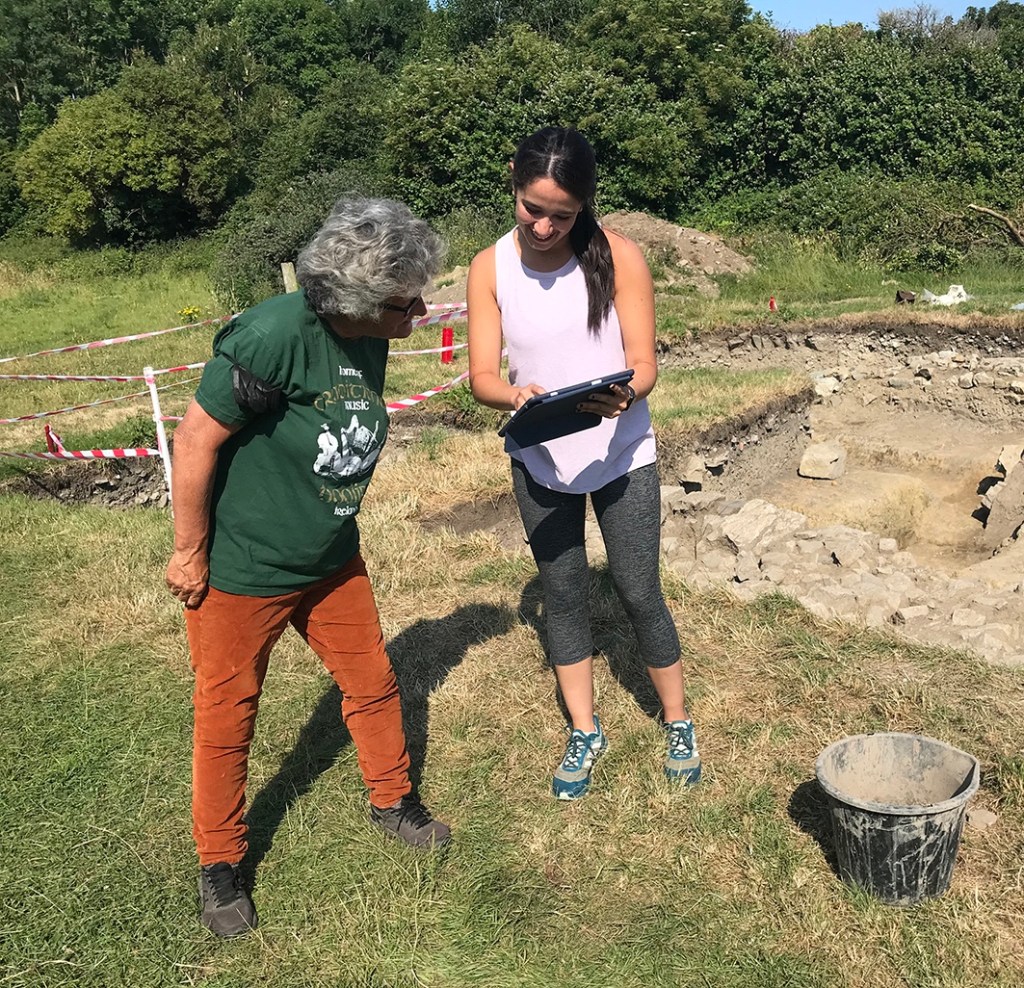
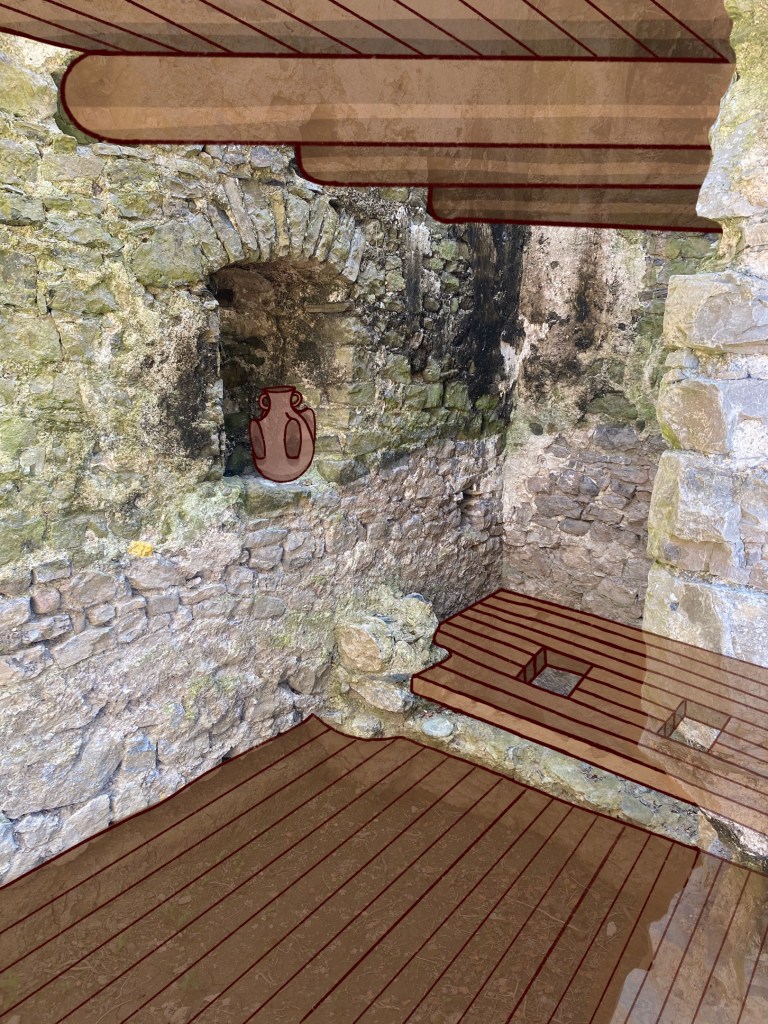
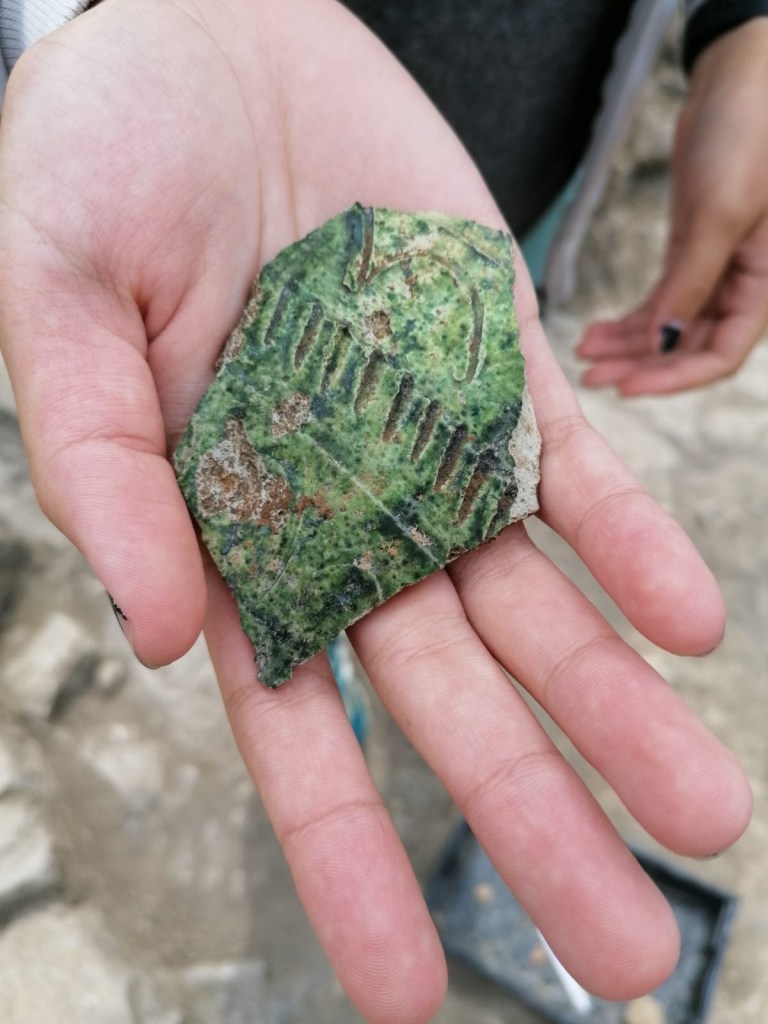
I spent the rest of the day digging and troweling with the others, getting really excited about finding shells and animal bones from the garbage corner of the barn. That night, I curled up in an armchair in my castle and got to work on my iPad that I typically use for freelance illustration. On top of a photo I had taken of the dig site that day, I created an overlay drawing of what the structure might have looked like in its prime. When I showed the illustration to Geraldine the next morning, she told me, “you’re not digging anymore.”
For the rest of the two weeks, I could be found under the tent sketching, walking around the site with visiting expert archeologists (following behind the group of actual researchers but asking questions relevant to my project when I could), or sneaking back into cuttings with a trowel when Geraldine was looking the other way. My work was a perfect combination of my interests and experience: engineering, archeology, and art.
It was still true that I had no prerequisite knowledge of medieval structures, but Geraldine and Matthew were so enthusiastic about what I could do with the reconstruction drawings that I started to believe I could do it, too. By reading the materials they brought for me and collecting as much feedback as possible, I drew the interior of the service tower, the interior of the barn, and two angles of the monks’ residence.
The Full Experience
In addition to the work itself, there were many parts of this experience that made this the most month of my life.
I would not be there in the first place without the unbelievable support that I received from the Notre Dame Global Gateway in Dublin. Not only did they help me make this connection, get a position on the dig, finance this, and assist me with COVID requirements, but each one of them spent time with me during my stay (or even let me stay in their apartment!). They were just as excited about the opportunity as I was, and it showed! Support like that was just incredible.
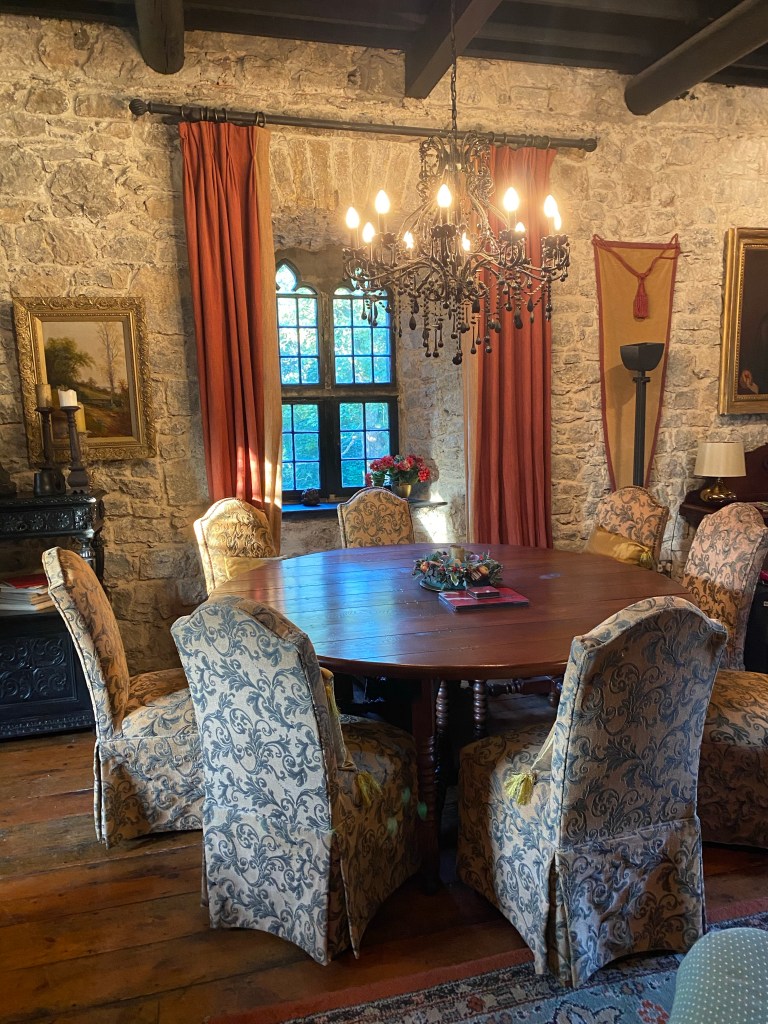
My typical day was straight out of a dream. I woke up in a four poster bed in the actual castle, complete with turrets, narrow spiral stairs, and windows through the thick stone walls. I met Deirdre downstairs under the chandelier for breakfast before hopping into her car for a ride to the excavation. It was the kind of scenic drive over bridges and through trees that tourists pay hundreds of dollars to get to Ireland for. After parking somewhere at the back of the farm, I started my trek down the path and through the gate to the field housing The Great Barn of Beaubec.
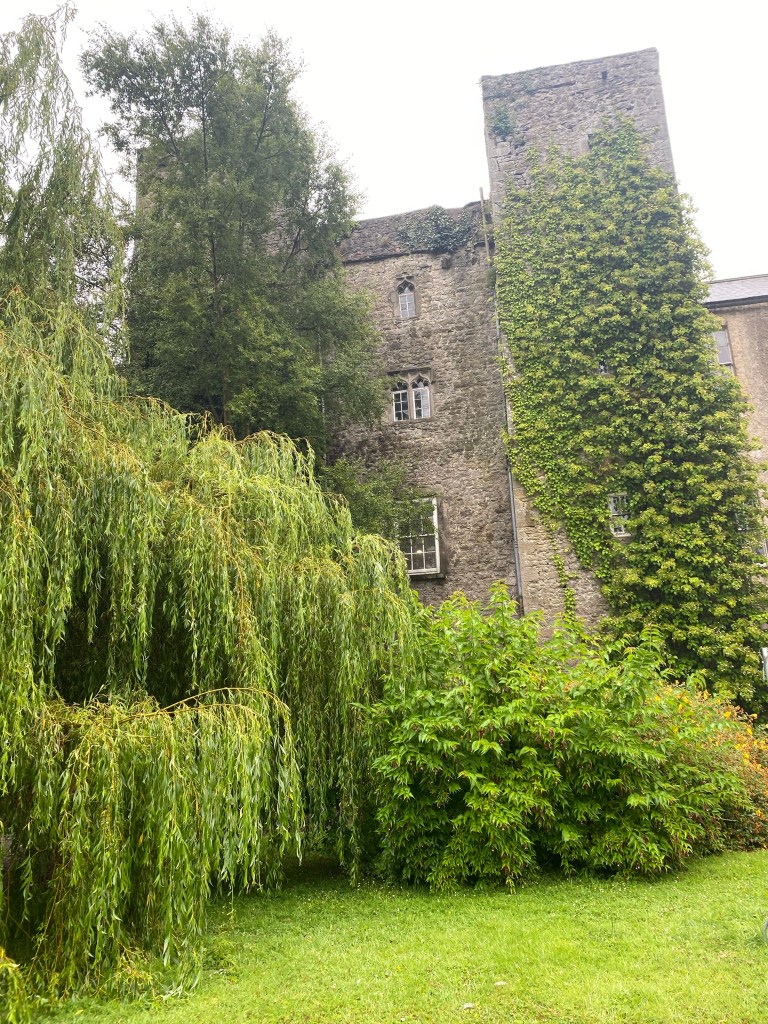
Working on a medieval site wasn’t enough; I spent the weeks living in a restored medieval castle. The normal accommodation had been booked up because this was last minute, so I ended up staying at Dardistown Castle with Deirdre, an archeologist from Sligo. Living with Deirdre was one of the biggest blessings of the whole experience (and not just because she would help me take care of the spiders). I dearly miss our nightly shared pints of Orchard Thieves, and listening to Empire of the Sun in the car, and doing the nightly sweep of my room for bugs.
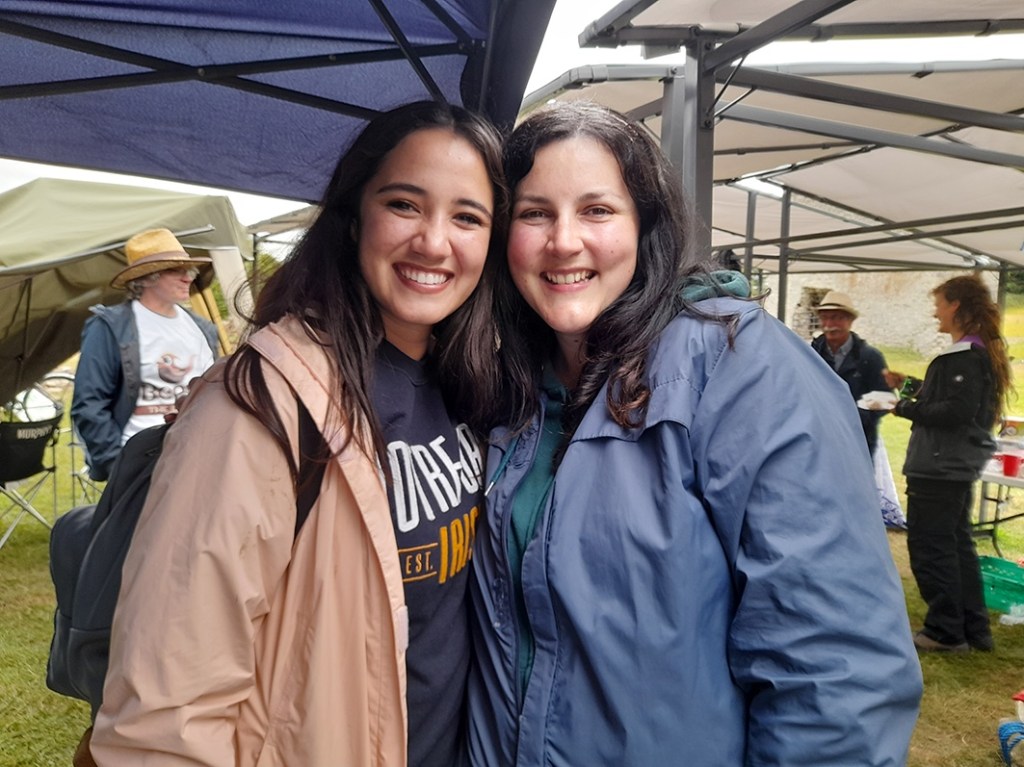
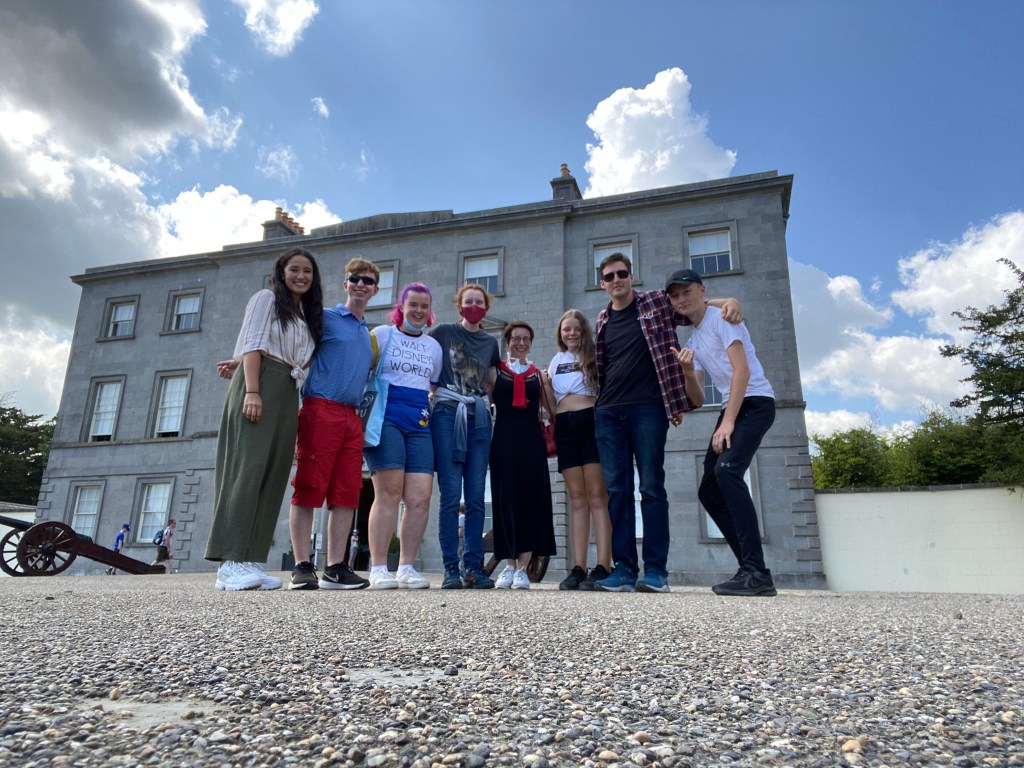
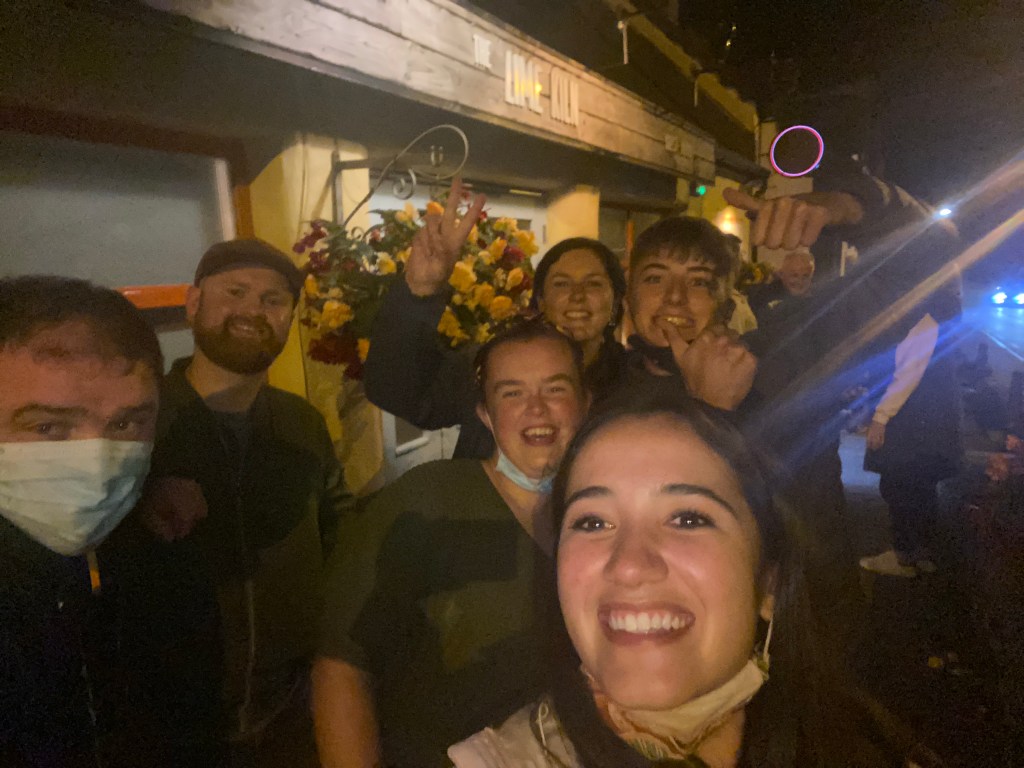
The dig site was an environment that I did not anticipate, full of family-like camaraderie and intense effort powered by enthusiasm alone. Between working in the cuttings with shovels and taking tea breaks under the tent, I got to know the wonderful and interesting people giving their time to this endeavor. At the end of the day and on weekends, these people, a variety of ages I might add, offered to show me around the archeological sites of County Meath. It isn’t often that you get a private tour of Ireland’s Ancient East by your archeologist friends. I was blown away by their generosity and inspired by their excitement.
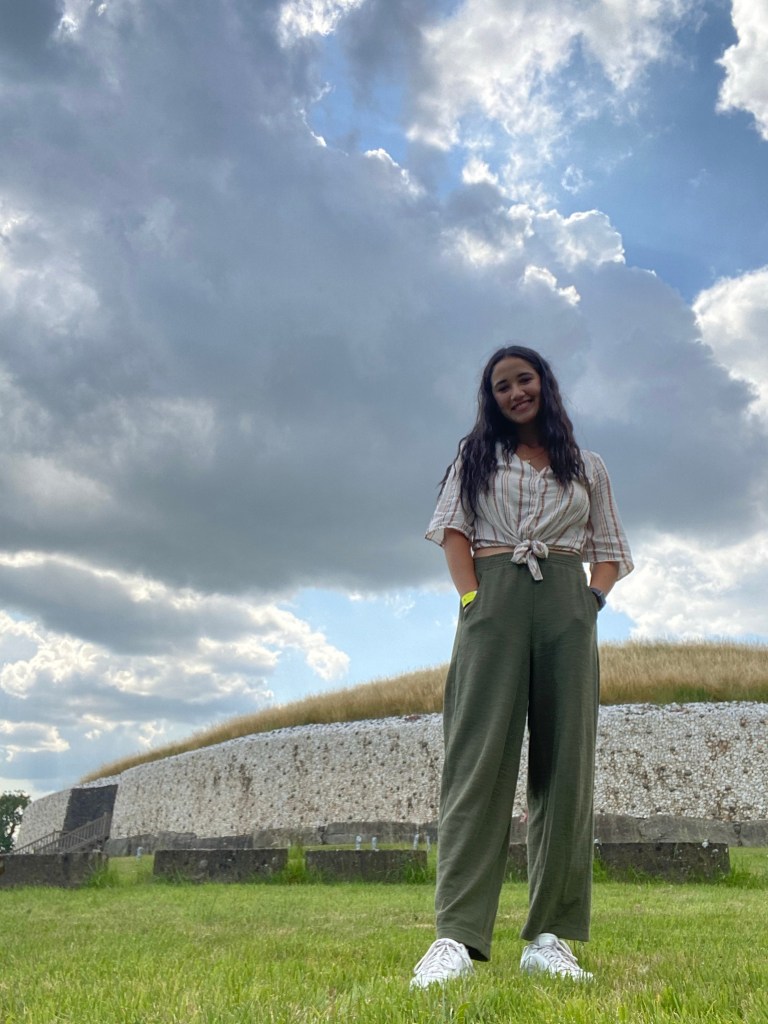
Even though I didn’t have a car myself, I still got to see Newgrange, Knowth, Tara, the high crosses at Monasterboice, Old Mellifont Abbey, Oldbridge, Slanecastle, and entirely because of these new friends.
Grateful doesn’t cover how I feel about this whole experience. It’s hard to believe it happened like this, but that is entirely thanks to the kindness and generosity of the Irish friend and colleagues I have over there. I would do illustrations for another dig site in a heartbeat, and I plan to sharpen my skills for this purpose.


 Pico Paints
Leave a comment